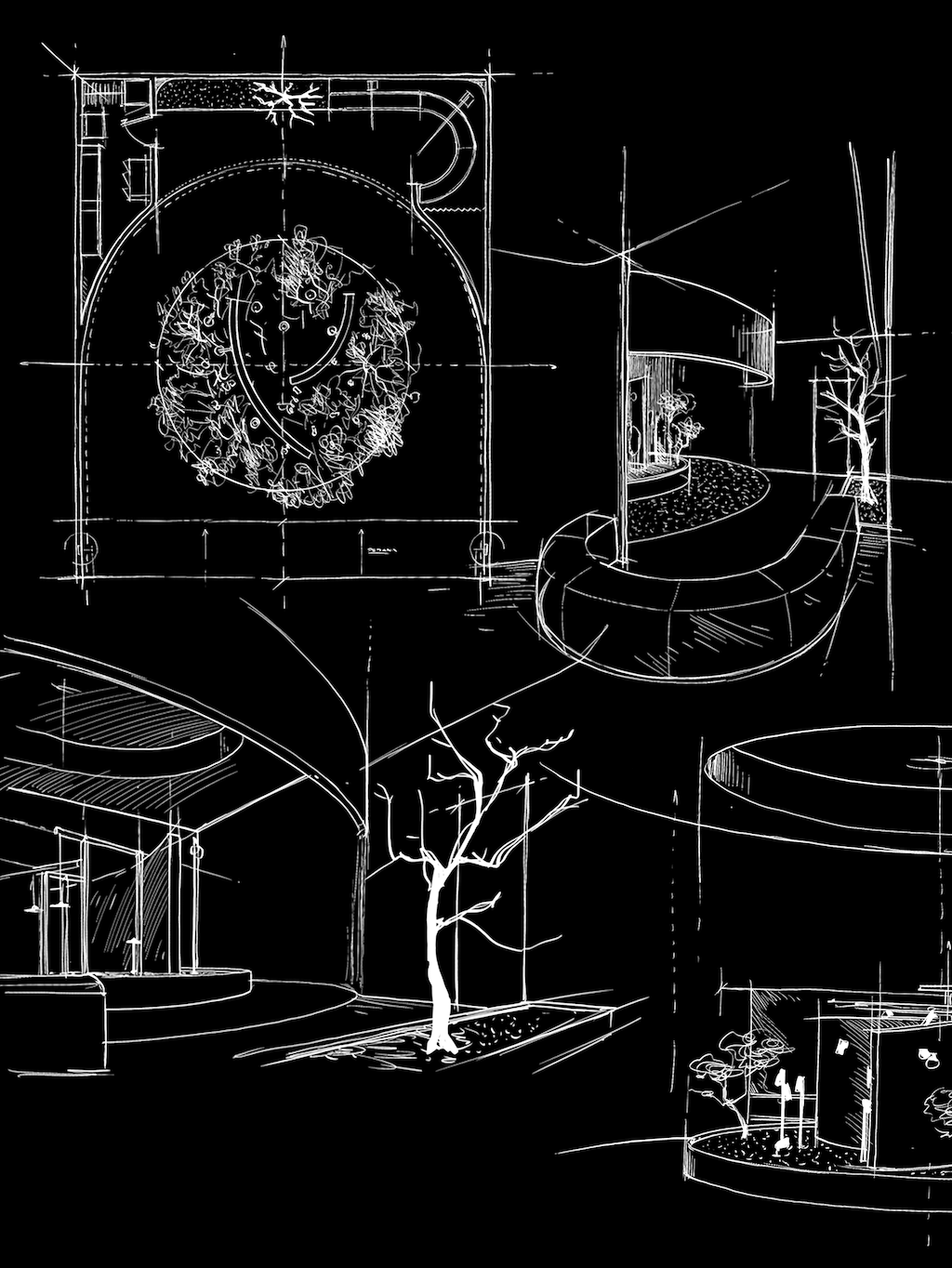
Diomede Light is participating in the 2025 edition of Euroluce with Future Garden, an exhibition space designed by Studio Brian Sironi. The new product families, conceived by the same studio, are presented through an installation that aims to address questions about the future.
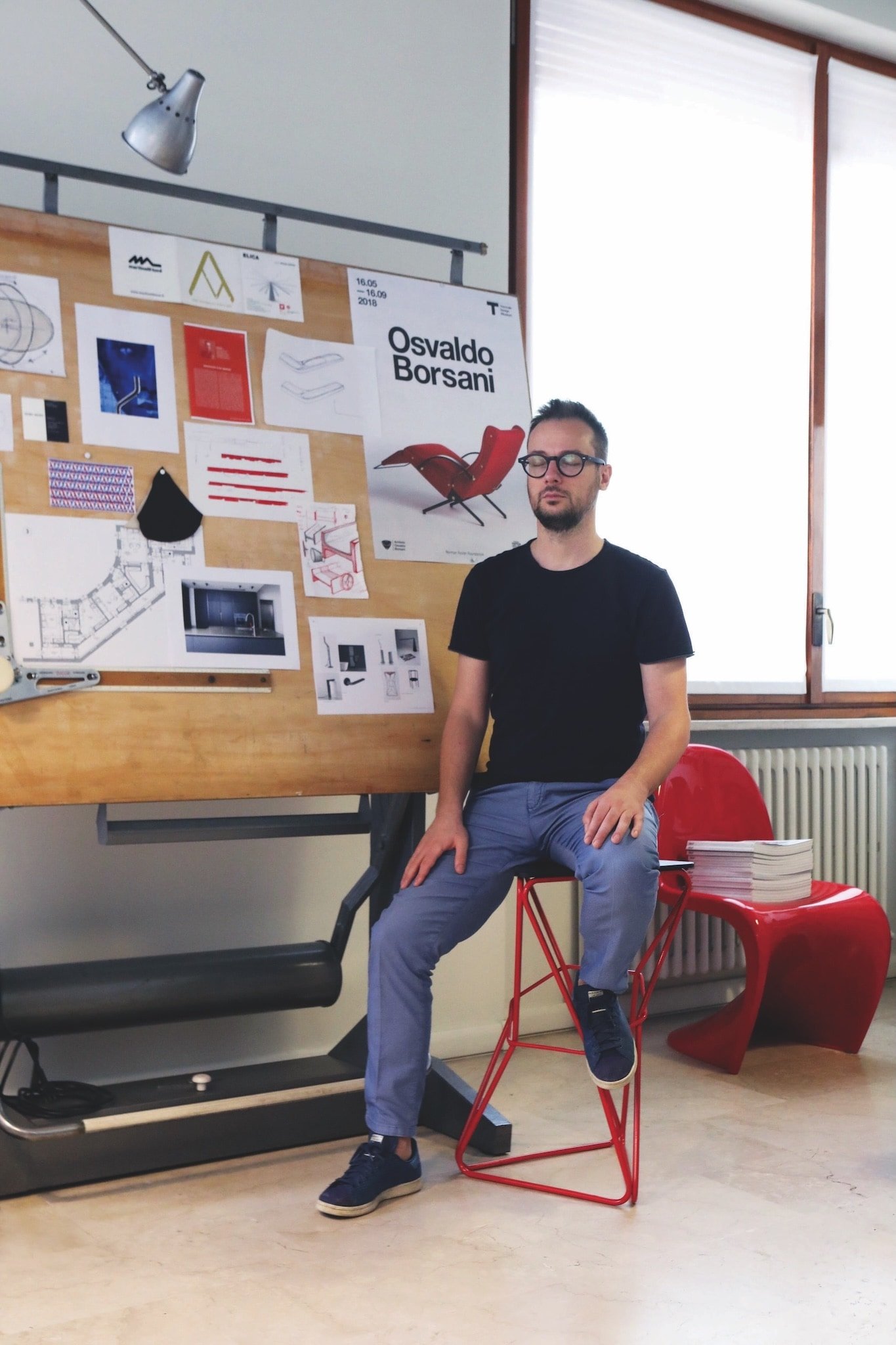
Brian Sironi is an Italian industrial designer. Grew up
and trained in the heart of Brianza, after an experience in the
United States. He established his own firm in Milan, Brian Sironi
Design Studio.
He is one of the youngest ever winners of the ADI
Compasso d’Oro award and, over the years, has received other
numerous international awards.
Portrait by Paolo Belletti
“As industrial design studio we believe in innovation as main driver of our design practices. We try to question the essential standard scheme of the objects and to rethink it. Our method stands out starting from the analysis of the products architecture and the way people interact with them. We summarize this last aspect as empathetic design approach.
For us, shape is always the materialization of an idea which we develop looking for pure forms and harmonious proportions.”
The partnership was certainly born out of mutual respect.
We first met at a trade fair, and from there, the conversation began. Despite being a young company, I was already aware of their solid technical know-how, built on the team’s past experience. As a design studio, we always seek to collaborate with companies that enable a constructive exchange of ideas.
We wanted to showcase Diomede’s forward-thinking vision. Our goal was not just to display the products but also to convey a message.
The entire communication and the scenic design of the stand we created are centered on exploring answers to questions about the future.
In particular, in addition to talking about products, we also asked ourselves what the garden of the future will be like and to do so we relied on professionals specialized in landscaping and vegetation.
Text by Architect and Landscape Designer Sergio Costanzi
Optimising water resources is a critical challenge in an era of climate change, where rising temperatures, reduced rainfall and heat waves make water availability increasingly unpredictable. This scenario requires us to rethink how we design and manage our outdoor spaces.
In this scenario, nature offers valuable insights. Over the course of evolution, many plant species have developed surprising strategies to survive in arid environments.
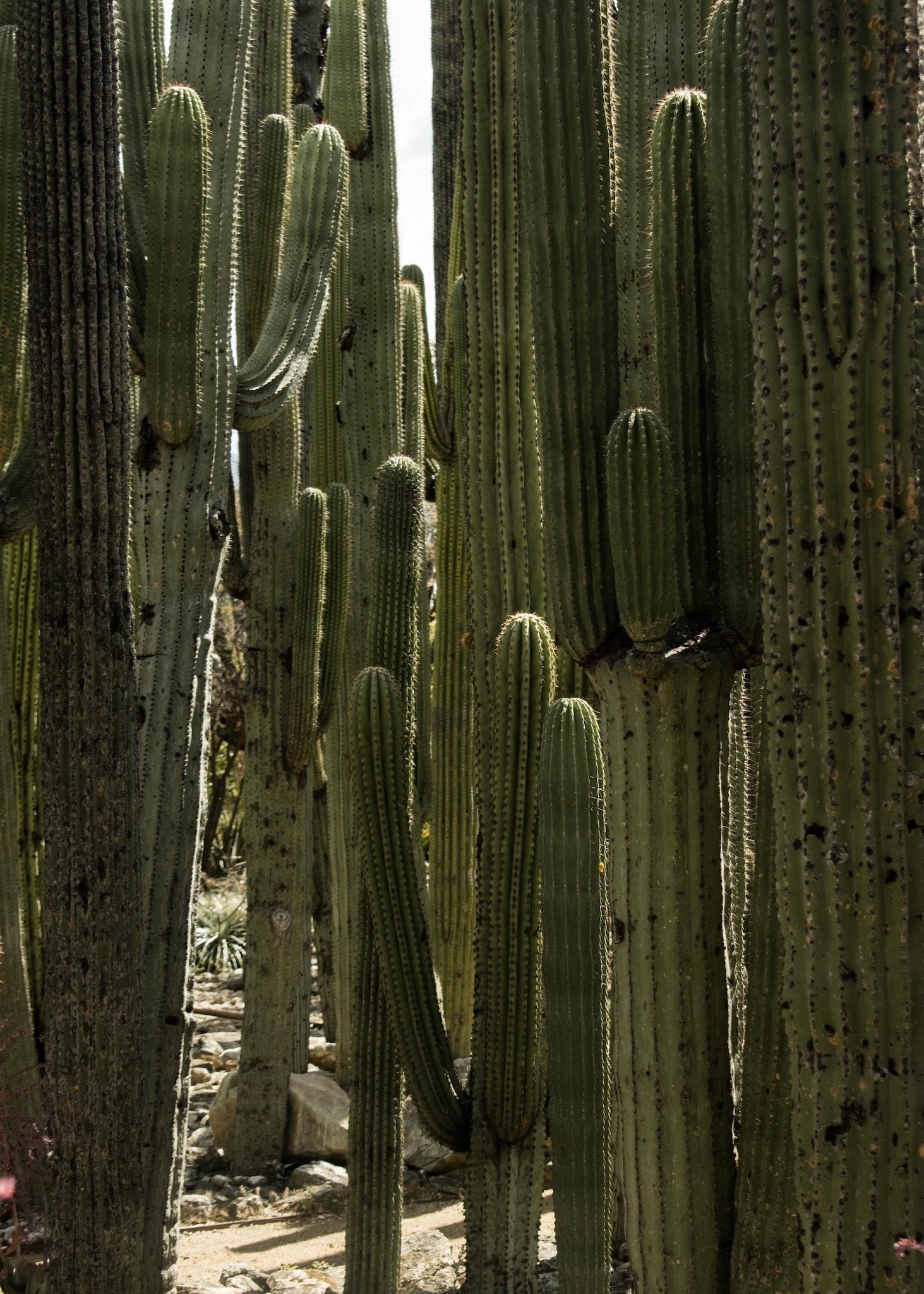
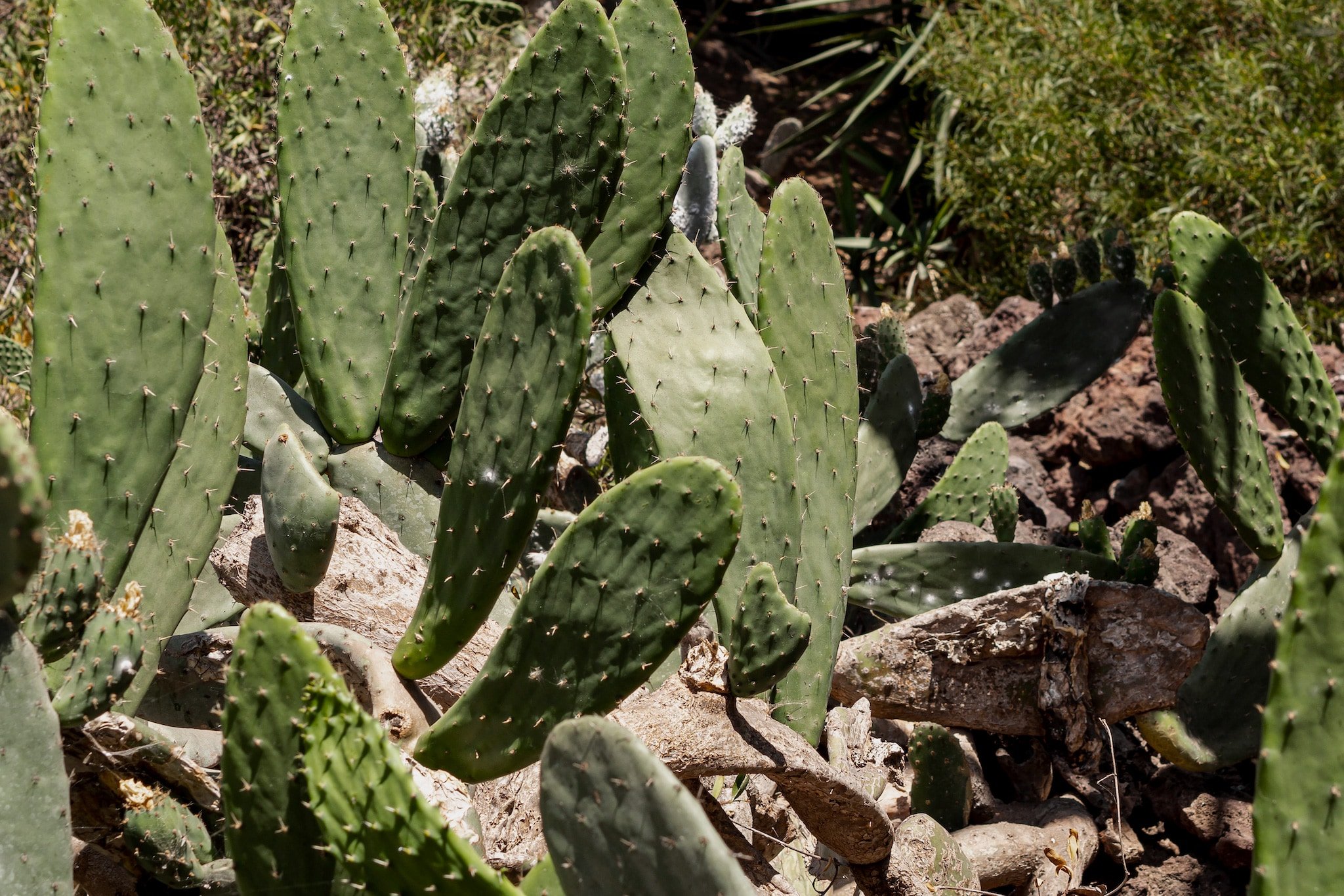
Succulents and cacti, for example, have turned their leaves into thorns to prevent excessive transpiration and their stems into water reservoirs. Other species protect internal moisture by covering surfaces with trichomes, tiny hairs that reflect sunlight and reduce overheating.
These adaptations suggest a more conscious approach to landscape design. Choosing resilient species that can reduce water use and minimise waste will be essential to meeting environmental challenges.
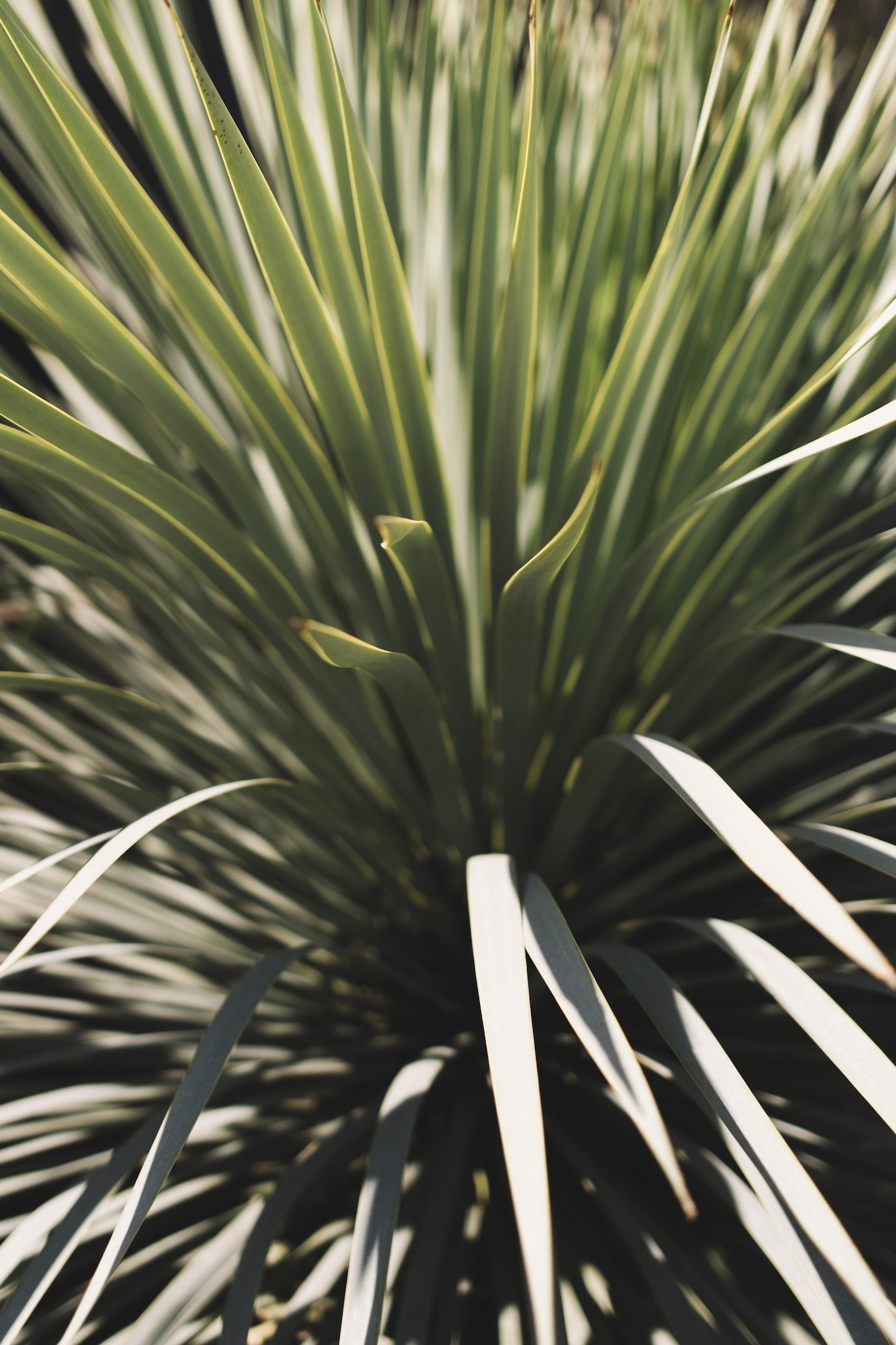
Rethinking the relationship between nature and design means creating harmonious and efficient spaces capable of adapting to available resources without compromising beauty and functionality. This is the garden of the future: a sustainable ecosystem in perfect balance with the environment.